
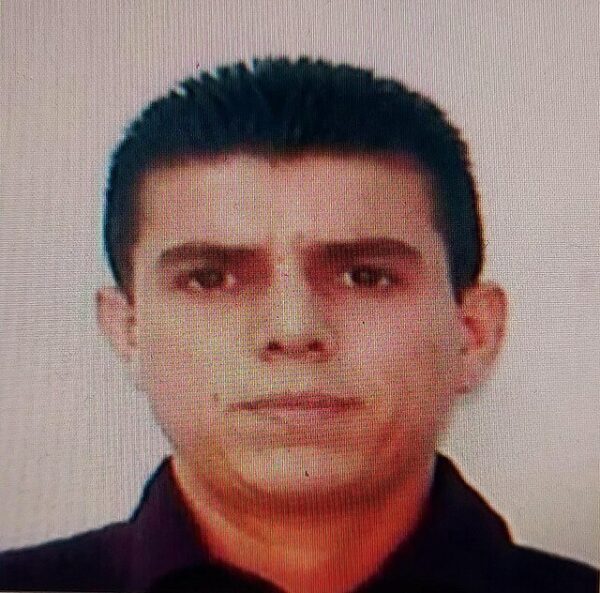

A California-born U.S. citizen has taken control of one of Mexico’s most powerful drug cartels, a development officials say could complicate cross-border enforcement efforts.
Following the death of Nemesio “El Mencho” Oseguera Cervantes in a Mexican military operation in late February, his stepson, 41-year-old Juan Carlos Valencia González, has emerged as the new leader of the Jalisco New Generation Cartel (CJNG), according to Mexican and U.S. officials.
Valencia González, also known as “Baldy,” “Bimbo,” and “R-3,” was born in Santa Ana, California, granting him U.S. citizenship. That status introduces additional legal hurdles for American authorities. Surveillance of U.S. citizens abroad requires approval from the attorney general and a ruling from a foreign intelligence surveillance court that the individual is acting as an “agent of a foreign power.” Current and former officials say those requirements can slow time-sensitive operations.
The CJNG is among the most powerful criminal organizations in the Western Hemisphere, generating billions of dollars through trafficking cocaine, methamphetamine, and fentanyl into the United States. The group is also involved in fuel theft and fraud schemes targeting Americans.
Valencia González’s rise keeps leadership within a family long tied to organized crime. His father, Armando Valencia Cornelio, known as “Maradona,” founded the Milenio Cartel in the 1970s. His mother, Rosalinda González Valencia, played a key role in CJNG financial operations through the “Cuinis” network.
Mexican officials assess that his leadership may help avoid an internal power struggle following Oseguera’s death, according to The Wall Street Journal. Senior figures within the cartel, including Audias “The Gardener” Flores, have reportedly pledged support to maintain stability. Both Valencia González and Flores are subject to $5 million U.S. bounties.
Oseguera was killed in Tapalpa, Jalisco, after Mexican special forces located him with support from U.S. intelligence, including CIA drone surveillance. The operation also killed several of his bodyguards and briefly triggered unrest in the region.
The transition comes as U.S.-Mexico cooperation against cartels has increased under President Claudia Sheinbaum, who has relied on American intelligence support. At the same time, debate continues in Washington over whether to designate cartels as terrorist organizations and expand U.S. involvement. President Trump has offered U.S. military assistance, while Sheinbaum has rejected direct lethal operations by foreign forces on Mexican soil.
Valencia González previously led CJNG units known for violent operations against rival groups. Mexican authorities describe him as extremely violent, though some analysts say he may seek to keep a lower profile to avoid heightened scrutiny from U.S. law enforcement.
The cartel remains active in key regions, including Guadalajara, as Mexican officials work to maintain stability following the leadership change.
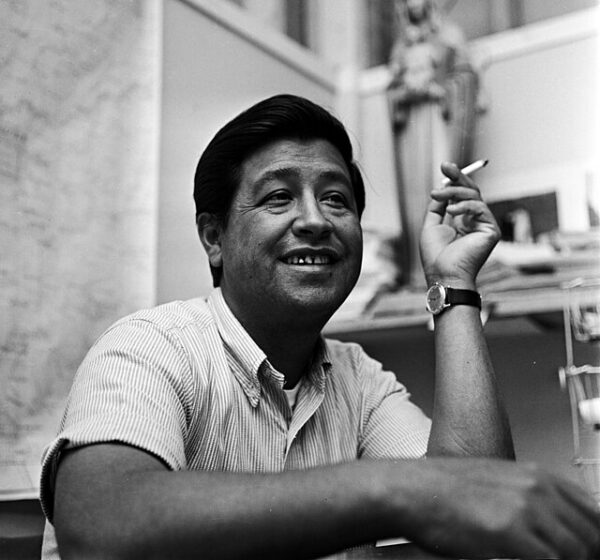
[Read More: Cesar Chavez Was Sexually Abusing Women]





Beware Naturalized citizens now