
OPEC+ agreed Sunday to a modest increase in oil production quotas for May, raising output targets by 206,000 barrels per day in a move that appears more preparatory than practical as the Strait of Hormuz remains closed amid the ongoing U.S.-Israeli conflict with Iran.
The hope is to stabilize prices.
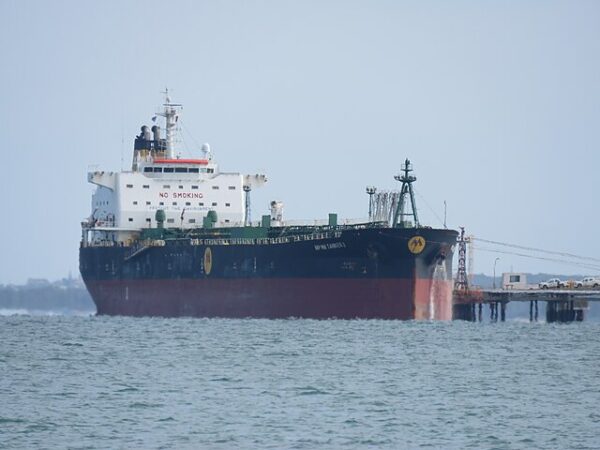
The decision, reached during a virtual meeting of eight core OPEC+ members, comes against the backdrop of what analysts describe as the most severe disruption to global oil supplies in modern history. Since late February, traffic through the Strait of Hormuz—a critical artery for global energy shipments—has been largely halted, sharply constraining exports from key producers including Saudi Arabia, the United Arab Emirates, Kuwait, and Iraq.
Oil markets have reacted swiftly. Crude prices have climbed to near four-year highs, approaching $120 per barrel, pushing up fuel costs worldwide and prompting some governments to adopt conservation measures.
Behind the quota increase, however, is a recognition of current limitations. Sources familiar with the discussions said the move is intended to signal readiness to increase production once the strait reopens, even as logistical realities prevent additional supply from reaching markets in the near term. The increase amounts to less than 2% of the estimated 12 to 15 million barrels per day currently disrupted.
“In reality it adds very few barrels to the market,” said Jorge Leon, a former OPEC official now serving as head of geopolitical analysis at Rystad Energy. “When the Strait of Hormuz is closed additional barrels from OPEC+ become largely irrelevant.”
Energy consultancy Energy Aspects echoed that assessment, describing the quota adjustment as “academic” so long as the waterway remains blocked.
Compounding the situation, the Joint Ministerial Monitoring Committee, which also met Sunday, highlighted ongoing attacks on energy infrastructure across the Gulf. Officials warned that damage from missile and drone strikes is both costly and time-consuming to repair, limiting the prospect of a rapid recovery in supply even if hostilities subside.
Regional officials have indicated that restoring full operational capacity could take months. Meanwhile, producers outside the Gulf face their own constraints. Russia, for instance, continues to contend with Western sanctions and infrastructure challenges tied to the broader conflict environment, further limiting its ability to increase output.
There are tentative signs of movement. Shipping data on Sunday showed that at least one tanker carrying Iraqi crude successfully passed through the Strait of Hormuz. Iran has indicated that Iraqi vessels would not be targeted, though industry sources caution that future shipments will depend heavily on whether shipping companies are willing to accept the risks.
The May increase mirrors a similar adjustment approved for April during a March 1 meeting, held as the disruption was beginning to escalate. In the months prior, the same group of producers had gradually unwound earlier output cuts, boosting quotas by roughly 2.9 million barrels per day between April and December 2025 before pausing increases earlier this year.
While OPEC+ formally includes 22 countries, production policy in recent years has been driven primarily by this smaller group of eight key members. The alliance is scheduled to meet again on May 3, where further adjustments may be considered depending on conditions in the Gulf.
Analysts warn that a prolonged closure of the Strait of Hormuz could send oil prices sharply higher. Forecasts from JPMorgan suggest prices could exceed $150 per barrel if disruptions persist, potentially setting new record highs.
[Read More: Cotton Proposes Bill To Limit Illegal Immigrant Banking]