
President Donald Trump’s latest tariffs faced a federal court challenge Wednesday as businesses and 25 states argued that the administration used a law targeting unfair trade practices to rebuild a worldwide tariff program the courts had already blocked.
A three-judge panel of the U.S. Court of International Trade in Manhattan heard arguments over duties of 10% or 12.5% imposed under Section 301 of the Trade Act of 1974, according to CNBC. The tariffs cover goods from 86 countries and 99.4% of U.S. imports. The administration says the duties address those countries’ failure to effectively enforce bans on goods made with forced labor.
The case marks the third major legal fight in less than two years over Trump’s efforts to tax most U.S. imports. In February, the Supreme Court struck down the “reciprocal” tariffs he announced in April 2025, forcing refunds of more than $100 billion. Trump then imposed a temporary worldwide 10% tariff under Section 122 of the same law, but that authority expired in July after its 150-day limit. A trade court ruled against those duties, though an appeals court paused the decision and allowed them to remain in place until they expired.
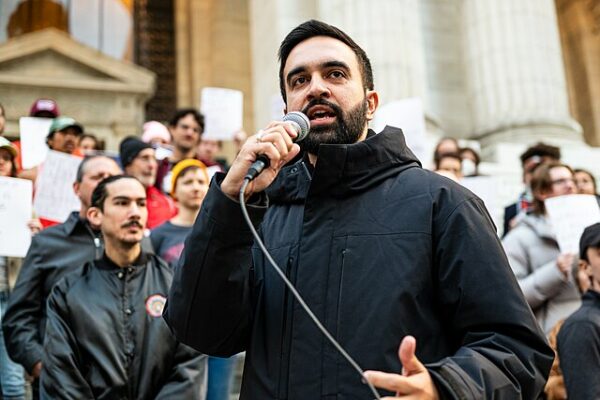
One judge pressed him: “So what?” Shah responded that the administration’s “unprecedented” use of Section 301 failed to meet the law’s requirements because it imposed similar tariffs on dozens of economies in “one fell swoop” after a shortened investigation.
The government must establish that each country’s practices are unreasonable and burden U.S. commerce, Shah argued. He said “It’s the lack of the country-specific findings” that makes the tariffs unlawful.
Justice Department attorney Eric Hamilton disputed that argument, saying the Office of the U.S. Trade Representative had examined each economy individually. The office “relied on data, economic principles, case studies, hearing testimony, and comments, as well as logic, in concluding that all 60 of the investigated economies burden U.S. commerce.”
Hamilton said the government had conducted a country-by-country analysis rather than relying on a blanket finding. “To be sure, there’s a common basis for the determinations” that were made, he added.
The challengers, which include importers and a coalition of Democratic-led states, contend that the administration turned to Section 301 after its other legal options failed. In an August filing, they wrote: “In short, Defendants have now tried to re-create materially the same global tariff regime under three disparate statutes.” They added: “But there is a reason they did not begin with Section 301 and are instead turning to it now only as a last resort.”
Trump told Fox News in late July that the Section 301 tariffs are “doing the same thing” as the duties the Supreme Court invalidated. Sara Albrecht, chairman and CEO of the Liberty Justice Center, which brought one of the lawsuits, said those remarks strengthened the challengers’ case.
The administration has defended the tariffs as a response to forced labor and unfair competition. When the duties were announced, a senior administration official called them “the most sweeping international labor rights action the United States has ever taken — that any country has ever taken.”
Justice Department lawyers argued in a September filing that the trade office had complied with the law: “The actions that USTR has taken at the direction of the President in this case are consistent with the text, object, and purpose of the Section 301 statute, as well as with the President’s firm commitment to create a level playing field for U.S. workers, producers, and exporters by conditioning access to the U.S. market on concrete action to prohibit international trade in forced labor goods.”
Before adjourning, the judges said they would issue a ruling as quickly as they could.
[READ MORE: Man Arrested For Terror Plot In Texas]