
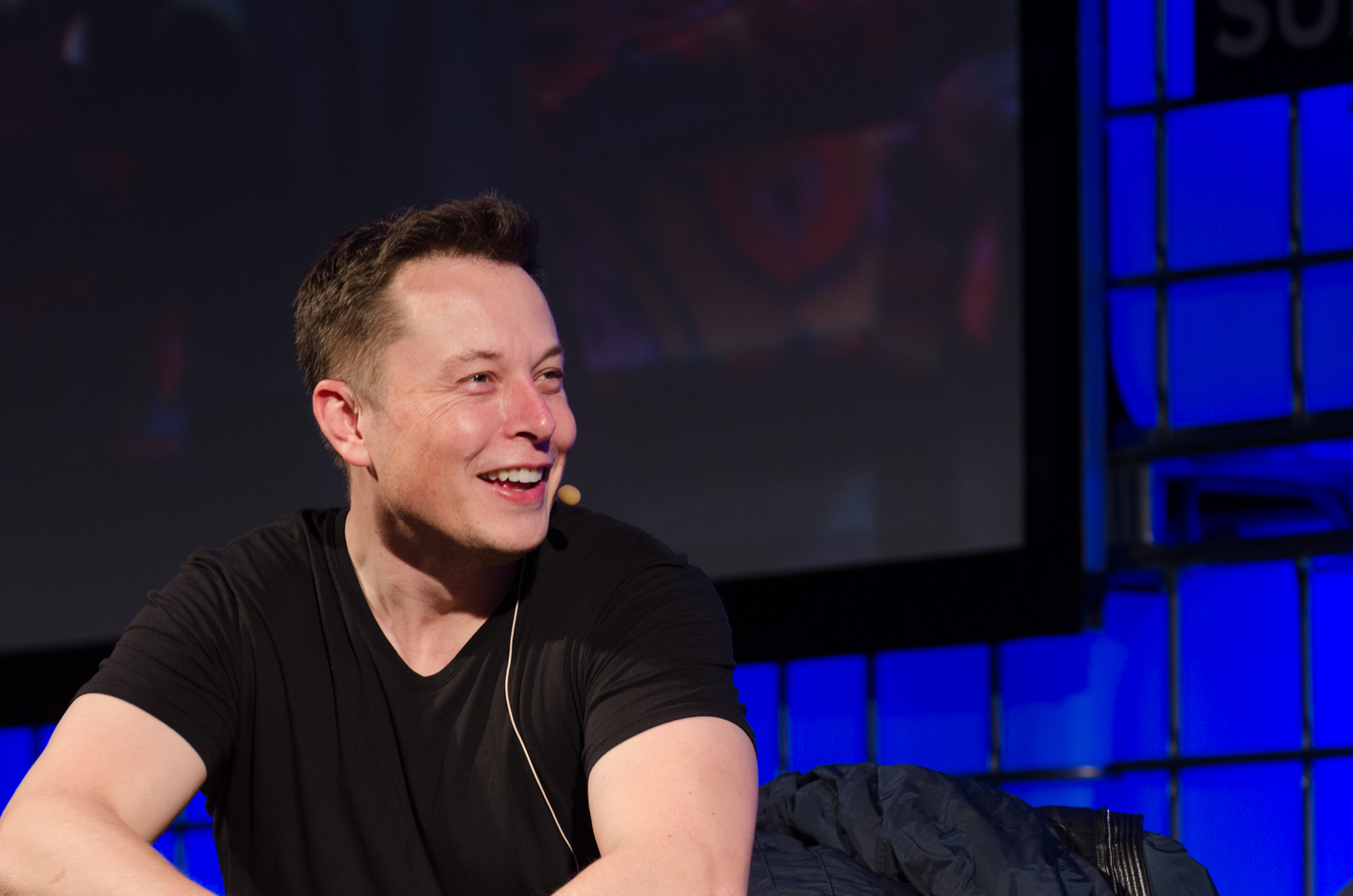

Jury selection in the securities fraud lawsuit against Elon Musk exposed just how much liberals have come to hate Elon Musk despite him almost singlehandedly building the entire electric vehicle market to help them fulfill their “green energy” dreams.
U.S. District Judge Charles R. Breyer presided over the lengthy voir dire process in San Francisco, excusing a significant share of the 93-person jury pool after they admitted they could not remain impartial. The case centers on a class action lawsuit filed by former Twitter investors—now shareholders of the platform rebranded as X—who allege Musk violated federal securities laws during his 2022 acquisition of the company.
Investors contend that Musk’s public hesitation and statements in the months leading up to his $44 billion purchase in October 2022 were calculated to depress the company’s stock price, causing financial losses, explained Mediate. Musk has denied the allegations. The trial is expected to last approximately three weeks and may include testimony from Musk himself as well as former Twitter CEO Parag Agrawal. Proceedings are scheduled to begin March 2.
The process of selecting jurors proved unusually arduous. Over more than five hours of questioning, Judge Breyer acknowledged the extraordinary prominence of the defendant. He compared Musk’s public profile to that of a sitting U.S. president, observing that finding individuals without any opinion about him would be nearly impossible even on a nationwide scale. The legal standard, he reminded the courtroom, was not whether prospective jurors held views, but whether they could set those views aside and decide the case solely on the evidence and the law.
When asked directly whether they could remain impartial despite their opinions about Musk, his companies, or his political affiliations—including his advisory role in the Trump administration and involvement with the Department of Government Efficiency (DOGE)—approximately 40 prospective jurors indicated they could not. Those individuals were dismissed.
Further questioning revealed additional, deeply held biases. One candidate said they could remain fair in a civil matter but acknowledged a “moral obligation” to convict Musk and see him imprisoned if the case were criminal. Another expressed categorical opposition to the existence of billionaires. A third cited resentment over Musk’s large-scale layoffs of content moderation staff after acquiring Twitter. All were excused.
Musk’s legal team underscored the intensity of the sentiment expressed in the jury pool. Attorney Stephen Broome told the court that the sheer number of people openly expressing hatred toward Musk risked normalizing such views. In an ordinary case, he argued, any admission of “hate” toward a defendant would typically result in immediate disqualification.
After extensive screening and dismissals, the court seated a panel of nine jurors who affirmed their ability to evaluate the case impartially.
The episode highlights the practical difficulty of empaneling juries in high-profile civil litigation involving polarizing public figures—particularly in San Francisco, where opinions about Musk appear strongly formed. It’s also another example of how the left has begun to attack fair trials, like they’re doing in Minnesota.
[Read More: Thomas Roasts His Colleagues]






NO allied to Trump can ever anyplace, rigged system