
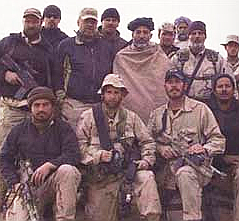

The United States is weighing deploying special operations forces to secure Iran’s stockpile of highly enriched uranium, as uncertainty grows about the material’s whereabouts following last year’s military strikes.
President Donald Trump acknowledged the possibility during remarks aboard Air Force One on Saturday, hinting that the option remains on the table but is not imminent. “They haven’t been able to get to it and at some point, maybe we will. We haven’t gone after it, but it’s something we can do later on. We wouldn’t do it now.”
The discussion traces back to the June 2025 conflict in which the United States and Israel launched coordinated airstrikes against Iran’s nuclear infrastructure. Over twelve days, aircraft struck major facilities at Fordow, Natanz, and Isfahan—sites long associated with Tehran’s uranium enrichment program. The campaign aimed to cripple Iran’s capacity to produce nuclear weapons material.
Yet the bombardment created a new problem: it also disrupted international monitoring of Iran’s existing stockpile.
Diplomatic sources say inspectors from the International Atomic Energy Agency have not been able to verify the location of Iran’s highly enriched uranium since just before the strikes began in mid-June 2025—nearly nine months ago. Satellite imagery and intelligence reporting have pointed to suspicious activity near tunnel systems at the Isfahan complex in the days before the bombing campaign, raising the possibility that portions of the material were moved.
Iran’s reserves include roughly 441 kilograms—about 972 pounds—of uranium enriched to near weapons-grade levels. U.S. assessments suggest that amount could potentially yield about 11 nuclear warheads if further processed. In addition, Iran possesses more than 8,000 kilograms of uranium enriched to lower levels, material that could theoretically be upgraded if enrichment capabilities were restored.
According to a senior Trump administration official, planners have discussed two potential courses of action if the material’s location is confirmed and territory becomes accessible. One option would involve deploying personnel to dilute the uranium on site, rendering it unusable for weapons. Another would entail removing the stockpile from Iran entirely for disposal or processing elsewhere.
For now, American and Israeli intelligence agencies continue searching for the missing material while maintaining contingency plans that could involve special forces operations. Officials have not said whether such a mission—if ever ordered—would be conducted by U.S. or Israeli personnel.
Publicly, administration officials have expressed confidence about understanding the stockpile’s location. Privately, however, assessments appear less certain.
Part of the challenge lies in the material’s portability. The enriched uranium could be stored in roughly sixteen cylinders—each about the size of a large scuba tank and weighing around 25 kilograms—making it comparatively easy to transport, disperse, or conceal.
Before the 2025 conflict, Iran’s nuclear program was under intensive monitoring by the International Atomic Energy Agency. Inspectors averaged more than one visit per day to declared nuclear facilities. That system effectively collapsed after the strikes damaged Iran’s principal enrichment plants and the processing center at Isfahan.
Iranian officials have argued that wartime conditions justify the suspension of normal inspection protocols. Reza Najafi, Iran’s envoy to the IAEA, stated: “The agency should not expect safeguard measures to be implemented under such wartime conditions as if hostilities had not occurred.”
Prior to the fighting, Tehran had indicated it might reduce or export its highly enriched uranium as part of negotiations aimed at reviving nuclear diplomacy. Those talks stalled once hostilities erupted.
The conflict also produced a profound political shock inside Iran. The death of Supreme Leader Ayatollah Ali Khamenei early in the war triggered a succession process that could reshape Tehran’s nuclear doctrine. Khamenei had long maintained a religious ruling—a fatwa—prohibiting the development of nuclear weapons, though a future leader might revisit that stance.
[Read More: Schiff Embarrassed By Bill Maher]


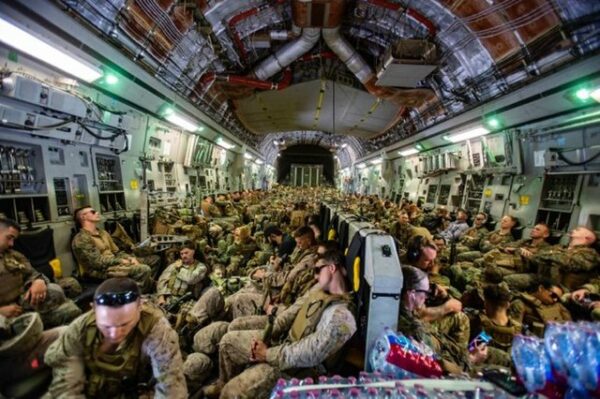




Only Boots on the ground for short term use & Use Laser to guide bombs to destroy nukes
The rest of the nations on the globe need to “get smart” if they want to survive Iran’s continuing treachery. Arm the Iranian people who want their freedom back.