
Senior Iranian officials moved Thursday to project unity after Donald Trump publicly questioned the coherence of leadership within the Islamic Republic, prompting a coordinated response from political, judicial, and military figures.
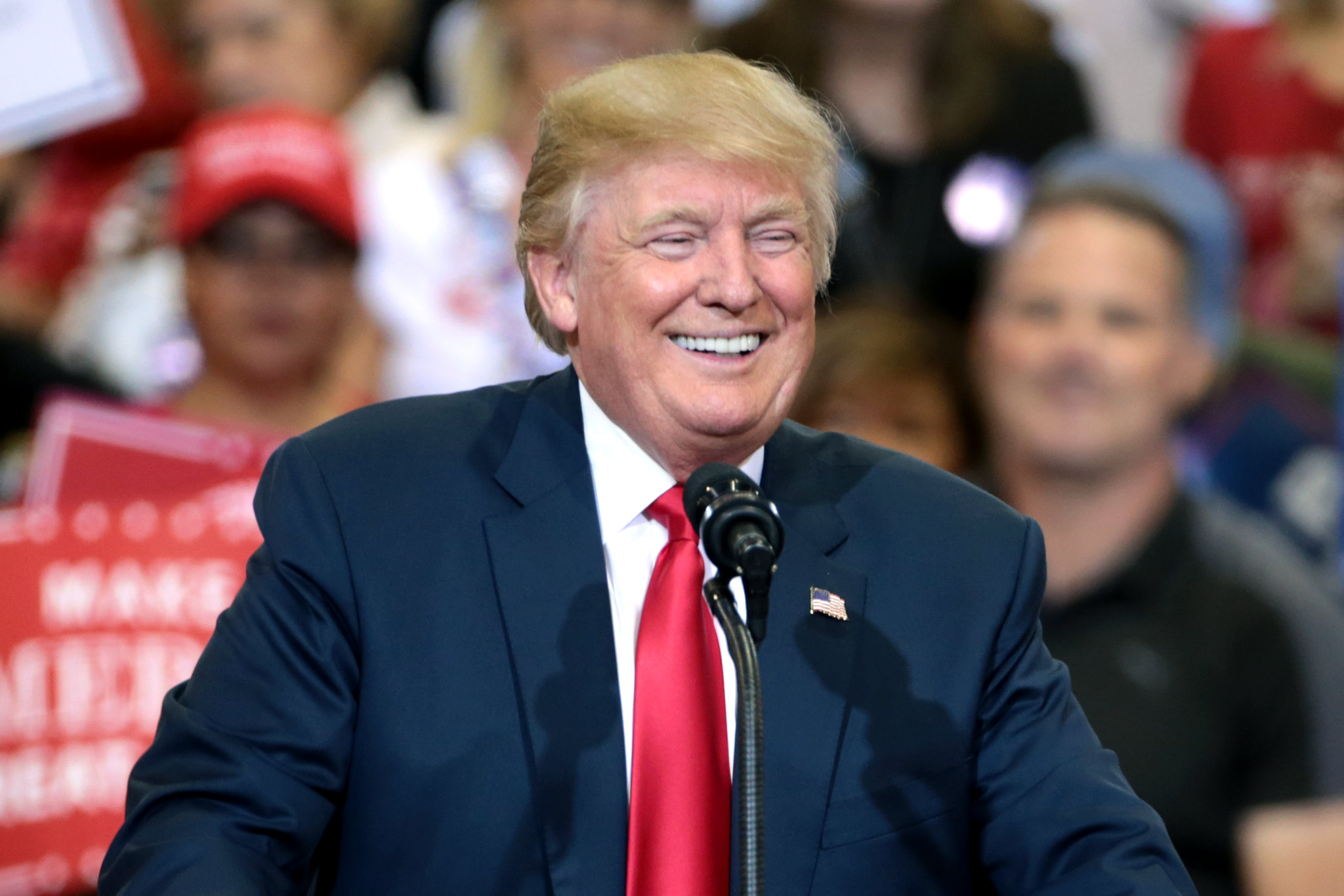
In a post on Truth Social, Trump pointed to what he described as internal confusion over authority in Tehran, citing factional tensions and recent instability. “Iran is having a very hard time figuring out who their leader is! They just don’t know!” Trump wrote, characterizing the divisions as “crazy” and linking them to broader political and military setbacks.
🚨 @POTUS: "Iran is having a very hard time figuring out who their leader is! They just don’t know!" pic.twitter.com/tT3YGseapt
— Real America's Voice (RAV) (@RealAmVoice) April 23, 2026
The remarks landed amid heightened scrutiny of Iran’s power structure, including the limited public visibility of Mojtaba Khamenei—widely viewed by some observers as a central figure in the country’s leadership—and ongoing debate over how to manage relations with Washington, according to reports.
In response, Iranian leaders across multiple branches of government issued statements emphasizing cohesion. An account associated with Mojtaba Khamenei circulated excerpts from a recent Nowruz address warning against “enemy psychological operations” aimed at undermining national unity.
President Masoud Pezeshkian and parliamentary Speaker Mohammad Bagher Ghalibaf released a joint statement rejecting the notion of internal division. “In Iran there are no ‘hardliners’ or ‘moderates’… We are all Iranians and revolutionaries,” they wrote, framing unity and adherence to the Supreme Leader as central to the country’s stability.
Judiciary chief Gholamhossein Mohseni Ejei echoed that message, calling such factional labels “fabricated and baseless” and asserting that political actors operate in alignment under a unified system of authority.
Senior military officials and advisers reinforced the same theme, publicly affirming loyalty to a single leadership structure in what analysts described as a coordinated effort to counter perceptions of internal discord.
Despite the unified messaging, signs of policy disagreement have surfaced in recent weeks. In March, Pezeshkian expressed regret over strikes on neighboring countries reportedly carried out without full coordination, drawing criticism from figures aligned with Iran’s military establishment.
Diverging signals have also emerged on maritime policy. Foreign Minister Abbas Araghchi suggested the possibility of reopening the Strait of Hormuz, while the Islamic Revolutionary Guard Corps indicated a more restrictive posture amid ongoing external pressure.
Internal divisions have reportedly extended to potential nuclear talks with the United States. Sources indicate that disagreements between government officials and those aligned with Mojtaba Khamenei disrupted preliminary discussions planned for Islamabad. Araghchi was said to have privately warned that limits on engagement would be “essentially futile,” raising concerns about the viability of negotiations.
Separately, Ghalibaf has reportedly pushed back against resistance to engagement with Washington, arguing that opposition to any agreement risks compounding Iran’s broader economic and political challenges.
The public alignment among Iran’s top officials reflects a concerted effort to present a unified front in the face of external criticism, even as underlying debates over strategy and authority continue behind the scenes.
[Read More: Obama Hatchet Man Sees Huge Turn In Court Case]