
Treasury Secretary Scott Bessent said the United States’ gold reserves remain intact and fully documented, seeking to put to rest renewed questions about the holdings stored at Fort Knox and other federal facilities.
“I am happy to say all gold is present and accounted for,” Bessent said during a tour of the Treasury Department aired on Fox News’ Jesse Watters Primetime.
🔴 NEWS: Treasury Sec Scott Bessent makes BIG ANNOUNCEMENT that Fort Knox has been AUDITED by his team and "all gold is present and accounted for".
$1 TRILLION in CONFIRMED GOLD is at Ft Knox. pic.twitter.com/meESJR9cQm
— Commentary Donald J. Trump Posts From Truth Social (@TrumpDailyPosts) July 15, 2026
The United States holds approximately 261.5 million ounces of gold, the largest official national stockpile in the world. At current market prices, the reserves would be worth more than $1 trillion.
Bessent said officials from his office and the Office of the U.S. Treasurer have inspected the government’s gold vaults. He also pointed to annual reviews and a Treasury report dated Sept. 30, 2024, as evidence that the holdings have been properly tracked.
Although Bessent acknowledged that he has not personally visited the United States Bullion Depository at Fort Knox, he said he remains confident in the government’s oversight and accounting procedures.
Questions about the reserves resurfaced in 2025 after President Donald Trump and Elon Musk publicly called for greater scrutiny of the nation’s gold holdings. Musk suggested that an inspection could be documented for the public, while Sen. Rand Paul, R-Ky., and other lawmakers continued pressing for additional transparency.
The government’s gold is carried on Treasury balance sheets at a statutory price of approximately $42.22 per ounce, far below its current market value. That difference has prompted proposals to revalue the reserves, potentially allowing the government to recognize hundreds of billions of dollars in additional value.
Bessent has previously indicated that the administration does not have immediate plans to pursue such a change.
His latest assurance was welcomed by supporters who said the Treasury’s regular accounting procedures provide sufficient evidence that the reserves remain secure. Skeptics, however, continued calling for a large-scale physical inspection, an independent audit or publicly released footage from inside the depositories.
Economist Peter Schiff and other critics have argued that the absence of a widely publicized, comprehensive physical audit since the 1970s has allowed suspicions about Fort Knox to persist despite recurring government reports and inspections.
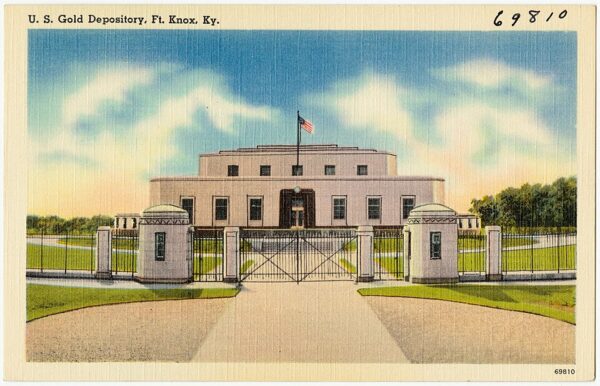
Built during the 1930s, the heavily guarded Fort Knox facility holds a significant share of the country’s gold. Additional reserves are stored at the West Point Bullion Depository in New York and the Denver Mint.
Bessent also said Treasury officials remain open to allowing members of Congress to visit the facilities. His remarks are unlikely to end the debate, however, as lawmakers and investors continue examining whether the government should change how it accounts for — or makes use of — one of the nation’s most valuable assets.
[Read More: Trump Teases Major Election Security Announcemement]