
Republican Rep. Chip Roy of Texas is introducing legislation designed to overhaul the H-1B visa program, arguing that the current system has allowed companies to replace American workers with lower-paid foreign labor while claiming that the nation faces a shortage of qualified employees.
The American White-Collar Worker Jobs Act would eliminate the lottery system used to distribute H-1B visas and replace it with a merit-based framework intended to prioritize highly skilled applicants. The measure would also require companies to demonstrate that they made a genuine effort to recruit American workers before seeking foreign employees through the program.
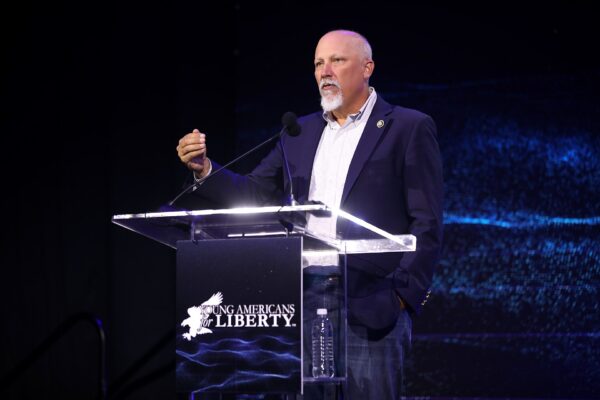
Rep @chiproytx BLASTS the H-1B visa scam:
"No more lotteries. Make sure you focus on the skills. Make sure you're focusing on what's needed. End all of these games that are being played and make sure this system works." pic.twitter.com/8DWlCiLLsl
— Mr Producer (@RichSementa) June 6, 2026
Under the proposal, employers would be required to pay H-1B visa holders wages comparable to those earned by similarly qualified American workers. The Department of Labor and U.S. Citizenship and Immigration Services would oversee a mandatory labor-market test to determine whether companies had made good-faith efforts to fill positions domestically.
“For its nearly forty-year history, the H1-B visa has been abused, allowing employers to routinely sideline American STEM workers in favor of cheap foreign labor, while masking layoffs and wage suppression as ‘shortages,’” Roy recently explained.
“It’s time to end this lottery-based pipeline and replace it with a system that prioritizes merit, enforces real wage standards, and puts America’s white-collar workers first,” Roy added.
The legislation would also eliminate the Optional Practical Training program, commonly known as OPT. The program allows international students to work temporarily in the United States after graduation, with extended eligibility available for some graduates in science, technology, engineering, and mathematics fields.
Supporters of reform argue that the program has evolved into a backdoor employment pipeline that disadvantages American graduates seeking entry-level positions in the technology and engineering sectors.
The debate has intensified as major technology companies continue to announce layoffs while relying on foreign workers through temporary visa programs. Tech firms have announced more than 123,000 layoffs in 2026, according to figures cited in materials supporting the legislation.
American universities, meanwhile, continue to produce large numbers of STEM graduates. Roughly 40 percent of incoming college freshmen pursue STEM-related degrees, although approximately 75 percent of those graduates ultimately work outside their specialized fields.
The number of foreign-born STEM workers in the United States has also risen significantly. According to figures from the American Immigration Council, the foreign-born STEM workforce increased from approximately 1.2 million employees in 2000 to nearly 2.5 million by 2019.
Roy’s bill arrives as Republican lawmakers place renewed emphasis on the relationship between immigration policy and the domestic labor market. The House Freedom Caucus has argued that reforming the H-1B system is necessary to ensure that immigration programs serve the national interest rather than providing companies with a mechanism to reduce labor costs.
[Read More: Trump Plans To Change Time Itself]